
A New Home With a Different Climate: Preparing for Weather Changes
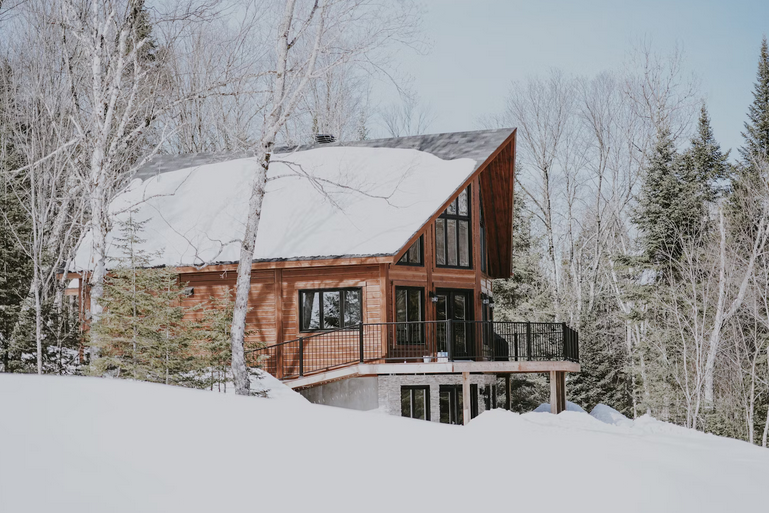
Relocating to a region with a different climate from what you are used to can be a stimulating venture. Nevertheless, it also requires careful preparation as much as getting moving services. Adequate preparations ensure that your home is ready to withstand the weather changes and climate conditions of your new location. Below, you will find tips for preparing your home for weather changes when relocating to a new climate, helping you transition smoothly and adapt to your new environment.
Assess Climate Conditions
Before moving to your new home, take the time to research and assess the climate conditions of your new location. Understand the average temperatures, precipitation levels, humidity levels, and seasonal weather patterns to anticipate the weather changes you’ll experience throughout the year. It’s advisable to consult with locals, meteorological data, and climate maps to gain insights into the climate nuances and challenges of your new area.
Inspect and Weatherize Your Home
Once you’ve gained an understanding of the climate conditions, conduct a thorough inspection of your new home to identify areas that may be susceptible to weather-related issues. Check for leaks, drafts, and gaps in windows, doors, and exterior walls that could compromise energy efficiency and indoor comfort. Seal gaps with weather-stripping, caulking, or insulation to prevent heat loss in cold climates or keep cool air in warm climates.
Upgrade Heating and Cooling Systems
If you’re moving to a climate with significantly different temperature extremes, consider upgrading your home’s heating and cooling rigs to ensure optimal comfort and efficiency. Invest in a high-efficiency furnace, heat pump, or air conditioning unit that is suited to your new area’s climate conditions. Schedule a professional HVAC inspection and maintenance to guarantee that your systems are in good working condition and properly calibrated to meet your comfort needs year-round.
Install Proper Insulation

Proper insulation is essential for facilitating a comfortable indoor environment and reducing energy costs in both hot and cold climates. Evaluate the insulation levels in your attic, walls, and floors to determine if additional insulation is needed to improve thermal efficiency and temperature control.
Consider upgrading to energy-efficient insulation materials such as spray foam, blown-in cellulose, or fiberglass batts to enhance insulation performance and reduce heat transfer.
Protect Outdoor Spaces
Outdoor spaces like decks, patios, and landscaping can be vulnerable to weather-related damage in a new climate. Take steps to protect outdoor surfaces and structures from exposure to harsh weather elements. Seal and stain wooden decks and fences to prevent moisture damage and prolong their lifespan.
Trim trees and shrubs to lessen the risk of wind damage and falling branches during storms. Consider investing in outdoor furniture covers, awnings, or pergolas to provide shade and shelter from sun exposure or inclement weather.
Prepare for Extreme Weather Events
In addition to making general preparations for weather changes, it’s important to be prepared for extreme weather events that may occur in your new climate. Get to learn and grasp local emergency procedures and evacuation paths for hurricanes, tornadoes, wildfires, floods, and other natural disasters that occur in your region.
Preparing your home for weather changes when moving to a new climate is essential for ensuring comfort, energy efficiency, and protection against potential damage. With appropriate planning and proactive measures, you can make a smooth transition to your new climate and thrive in your new surroundings for years to come.


